Choosing the right concrete finish is an essential decision for homeowners and businesses on the Gold Coast. The finish affects aesthetics, durability, slip resistance, maintenance, and long-term cost. This guide explains the most common concrete finishes, their benefits, installation considerations, maintenance tips, and how to choose the right finish for applications such as a concrete driveway, exposed aggregate driveway, concret path, or other paved areas. It also covers what to expect from a concreting service, concreting contractor, or concreting company in 2025.
Why concrete finish matters on the Gold Coast
The Gold Coast climate—characterised by high humidity, heavy rain events, strong UV exposure, and occasional coastal salt spray—affects how concrete performs over time. A suitable finish improves weather resistance, reduces slip risk during wet conditions, and minimises maintenance. Local councils and building codes also have standards for slip resistance and drainage that may influence finish choices for driveways, pathways, https://preshacleaner503.gumroad.com/p/how-to-plan-concrete-path-routes-around-your-property and commercial projects.
Key considerations for local projects
- Slip resistance: Critical for public access ways and driveways due to frequent rain. Durability: Resilience to coastal salt, thermal cycling, and heavy vehicle loads for driveways. Appearance: Matching local streetscape and property design—important for curb appeal. Maintenance: Frequency of cleaning and sealing needed in a humid environment. Sustainability: Using low-carbon mixes and permeable finishes to manage stormwater runoff.
Common types of concrete finishes
Below are the most frequently used concrete finishes for residential and commercial projects on the Gold Coast, including practical notes for installation and maintenance.
1. Plain/trowelled finish
A plain or steel-trowelled finish produces a smooth, dense surface by smoothing the concrete after placement. This finish is common for internal slabs and some driveways where a clean modern look is required.
Pros: Economical, clean appearance, easy to seal.
Cons: Can be slippery when wet unless textured or sealed with anti-slip additives.
Installation tips: Ensure adequate curing and use a non-slip sealer if used externally. Surface should be broom-finished where slip resistance is required.
2. Broom finish
A broom finish is created by dragging a broom across the surface after initial setting to create short ridges. It is widely used for driveways, paths, and outdoor slabs because it increases traction.
Pros: Good slip resistance, low cost, quick application.
Cons: Ridges accumulate dirt and require periodic cleaning.
Maintenance: Regular pressure washing prevents lichen and mould build-up in humid conditions.

3. Exposed aggregate finish
An exposed aggregate driveway reveals the natural stones in the concrete, creating a textured, decorative surface. This finish is highly popular on the Gold Coast for both homes and commercial properties.
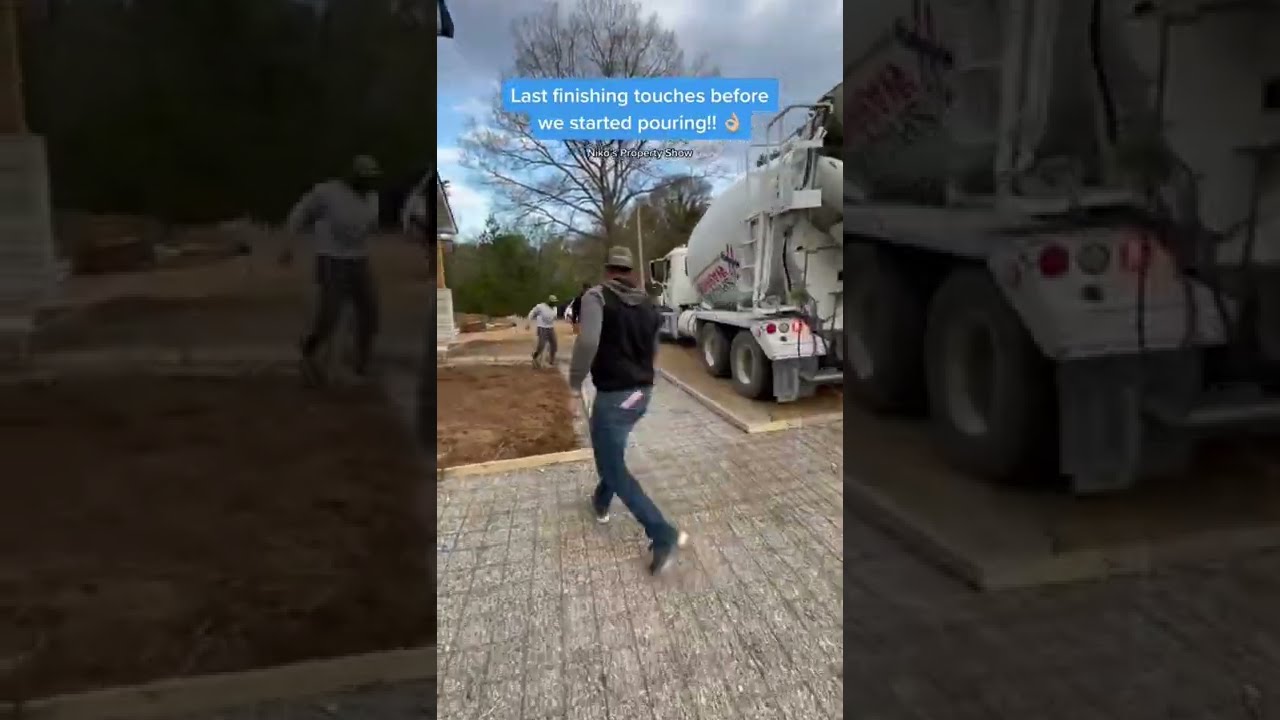
Pros: Excellent slip resistance, attractive, durable, hides minor staining and wear.
Cons: More costly initially; requires sealing every few years to enhance colour and prevent staining.
Installation notes: Choose aggregates rated for local climate and traffic. Controlled washing or chemical retarders expose aggregates uniformly. Ask your concreting contractor about aggregate size and colour options.
4. Stamped and patterned concrete
Stamped concrete mimics finishes such as brick, tile or stone by using moulds while the concrete is still plastic. It is ideal for patios, pool surrounds, and decorative driveways.
Pros: Versatile appearance, more cost-effective than natural stone.
Cons: Can show wear on high-traffic routes; slip resistance varies with texture and sealant choice.
Tip: Choose textures and sealers compatible with pool areas and check local council rules on surface permeability.
5. Honed and polished concrete
Polishing removes surface material to expose aggregates slightly and then grinds to a smooth, polished finish. Common inside commercial buildings and modern homes.
Pros: Sleek, low-maintenance, long-lasting when sealed; good for interiors.
Cons: Not suitable for external areas where slip resistance is paramount unless treated with anti-slip systems.
6. Acid-stained and coloured concrete
Acid staining and integral colour add pigmentation to concrete for decorative effects. Colours are resistant to UV fade if properly sealed and can complement landscaping and architectural design.
Pros: Wide colour range, durable colour that penetrates the surface.
Cons: Requires professional application and sealing; may need re-sealing in coastal environments for best performance.
7. Permeable and textured finishes
Permeable concrete and textured finishes help with stormwater management by allowing water to pass through, reducing runoff and supporting local council requirements for on-site detention.
Pros: Improves drainage, supports sustainable landscaping, often eligible for local environmental incentives.
Cons: Requires specific design and maintenance to prevent clogging; generally higher initial cost.
How to choose the right finish for your project
Identify use and traffic: Heavy vehicles require denser, durable finishes; pedestrian areas prioritise slip resistance. Consider location and exposure: Coastal exposure and UV require sealers and corrosion-resistant aggregates. Assess maintenance willingness: Some finishes need periodic sealing and cleaning—factor this into lifecycle cost. Check council requirements: Verify Gold Coast City Council guidelines on permeable surfaces, driveway slopes, and safety standards. Consult a local concreting company: Ask for references, warranties, and examples of previous work in similar conditions.Working with a concreting service or contractor
Choosing the right concreting service or concreting contractor is as important as the choice of finish. For Gold Coast projects in 2025, expect companies to offer:
- Detailed quotes including materials, aggregate types, reinforcement, drainage, and sealing schedules. Compliance with local building codes and guidance on permeable surfaces and stormwater management. Options for low-carbon or supplementary cementitious materials (e.g., fly ash, slag) to reduce embodied carbon. Clear maintenance plans for coastal exposure and humid conditions.
Installation best practices
Proper installation ensures the chosen finish performs well over time. Essential steps include:
- Correct subgrade preparation and compaction to prevent cracking and settlement. Appropriate concrete mix design for local exposure class—consider air entrainment for freeze-thaw cycles and corrosion resistance for coastal sites. Control joints placed per engineering recommendations to manage cracking; joints should be sealed where required. Proper curing times and methods—curing compounds, wet curing or coverings—to achieve intended strength and durability.
Maintenance and longevity
Different finishes require different maintenance routines:

Exposed aggregate driveway and broom finishes: pressure wash yearly and re-seal every 2–4 years depending on wear and UV exposure. Check the sealant manufacturer's recommendations and choose a UV-stable sealer for the Gold Coast.
Stamped or coloured finishes: monitor joints and reseal as colours fade or when surface sealant wears. Avoid harsh detergents that strip sealers.
Permeable surfaces: vacuum or pressure wash periodically to clear sediment, and inspect for vegetation blocking pores.
Cost considerations and lifecycle value
Initial costs vary by finish—plain broom is lowest, exposed aggregate and stamped finishes are mid-range, and specialty permeable or polished systems can be higher. Factor in:
- Initial installation cost including preparation, materials, and labour. Ongoing maintenance—cleaning, sealing, and repairs. Resale value impact: attractive finishes like exposed aggregate or well-designed stamped concrete often add curb appeal.
Trends and regulatory notes for 2025 and beyond
In 2025 the Gold Coast sees increasing interest in sustainable concreting practices: low-carbon mixes, permeable pavements for stormwater management, and products that reduce heat island effects. From 2026 onward, expect more regulatory focus on water-sensitive urban design and embedded carbon reporting for larger developments. Hire a concreting company that can document material specifications and sustainability credentials if these factors are important to your project.
Final recommendations
For a durable, attractive, and safe surface on the Gold Coast:
- Choose an exposed aggregate driveway or broom finish for a balance of slip resistance and durability on exterior surfaces. Use stamped or coloured concrete for decorative areas where visual impact is a priority, and ensure adequate sealing for longevity. Consider permeable concrete for driveways and concret path projects where drainage and sustainability are priorities. Engage a reputable concreting contractor or concreting service who understands Gold Coast conditions, council requirements, and provides clear maintenance guidance.
If you are planning a new concrete driveway, exposed aggregate driveway, or concret path on the Gold Coast, request multiple quotes, ask to see recent local work, and confirm the proposed finish, sealer type, and maintenance schedule in writing before work starts. Proper selection and installation now reduce long-term costs and keep paved areas safe and attractive for years to come.
Gold Coast Concreting Experts
Shop 4/22 Bailey Cres, Southport QLD 4215, Australia
ph. (07) 5230 8851